June 10, 2026
The Institute of Health Research (IHR) Centre for Health Policy and Implementation Research (CHPIR) of the University of Health and Allied Sciences (UHAS) has formally presented the WINGS-4-FGS initiative to the Ghana Health Service (GHS). This marks a significant milestone in efforts to tackle Female Genital Schistosomiasis (FGS), a neglected women’s health condition in Ghana.
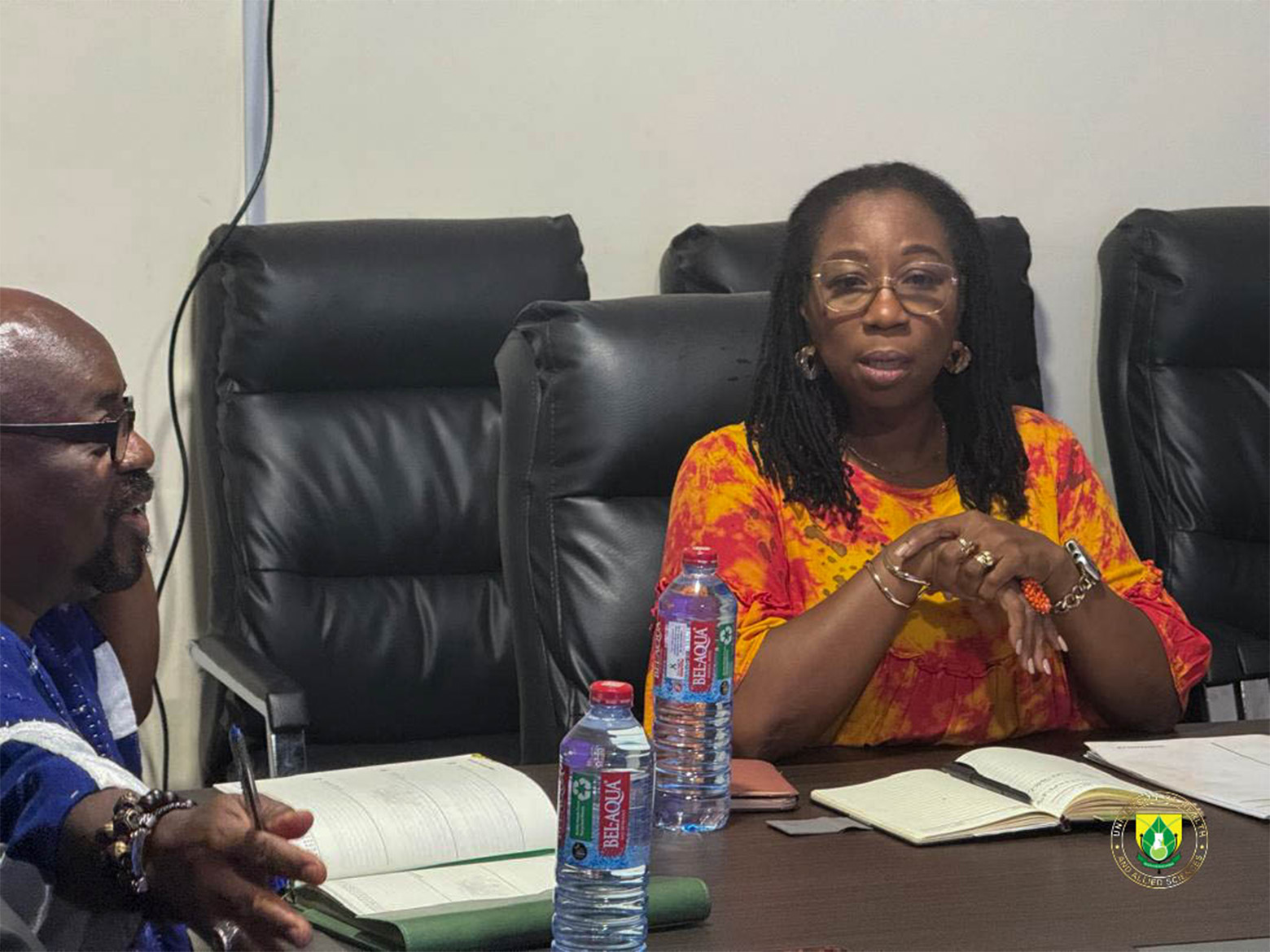
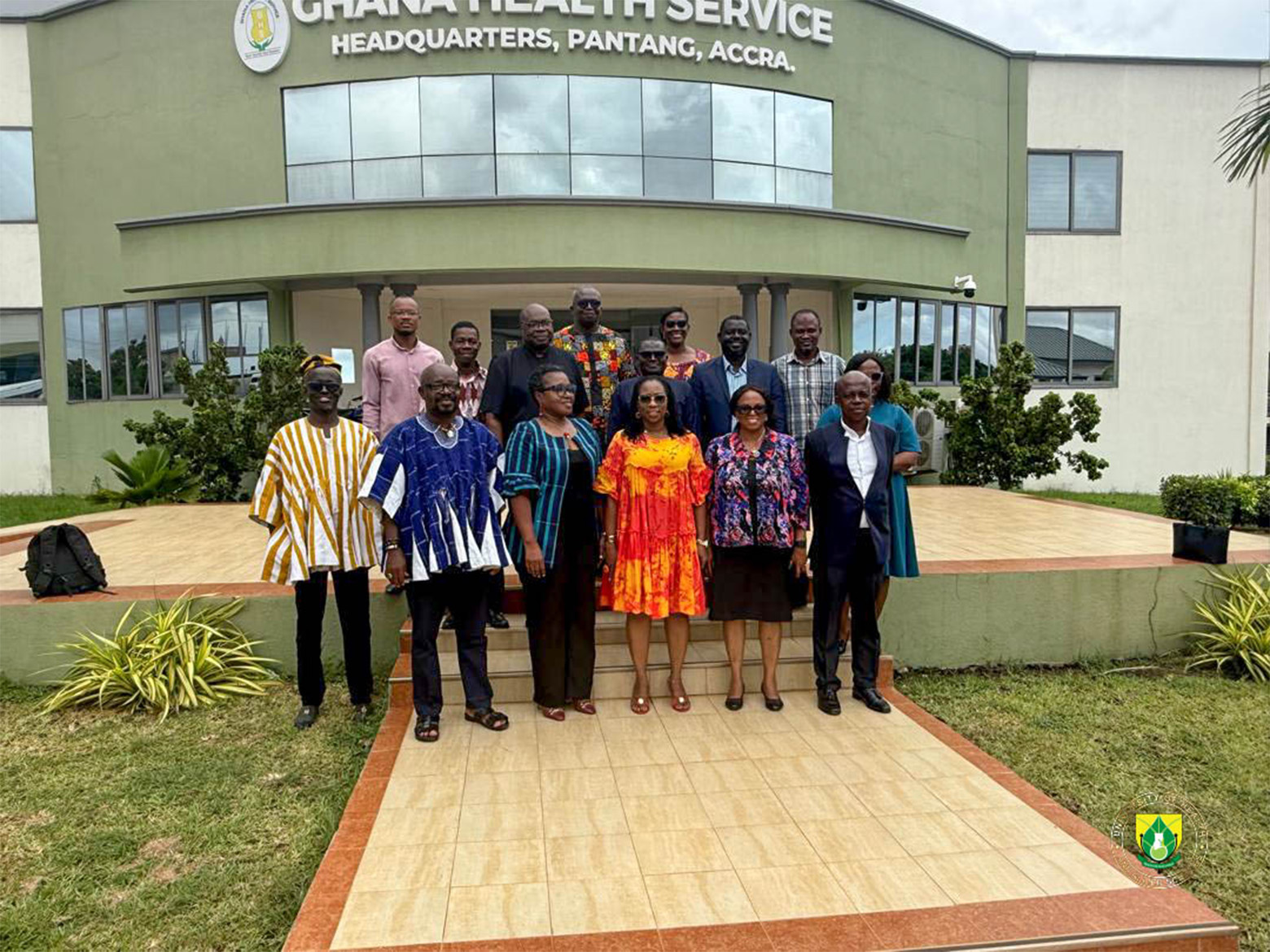
The engagement was held on Wednesday, May 20, 2026, at the GHS Headquarters in Accra, brought together senior management of the GHS, programme directors and members of the UHAS research team. The meeting aimed to brief the Director-General and his management team on the scope, progress and implementation strategy of the project, while seeking institutional support for its integration into routine health services.
FGS is a chronic and underdiagnosed condition caused by Schistosoma haematobium. Its symptoms are often mistaken for sexually transmitted infections, leading to misdiagnosis and untreated cases. The disease has serious implications for sexual and reproductive health, increasing vulnerability to other infections and cervical cancer. Despite evidence of high prevalence in some Ghanaian communities, awareness, diagnosis and standardized treatment remain limited.
Led by Prof. Margaret Gyapong, the UHAS team outlined the project’s multi-country, multi-disciplinary design, structured around seven interconnected work packages. These include: Community training and health worker capacity building; Innovative diagnostics closer to communities; a randomized clinical trial testing improved treatment combinations; and Strategies for integrating FGS services into existing sexual and reproductive health platforms.
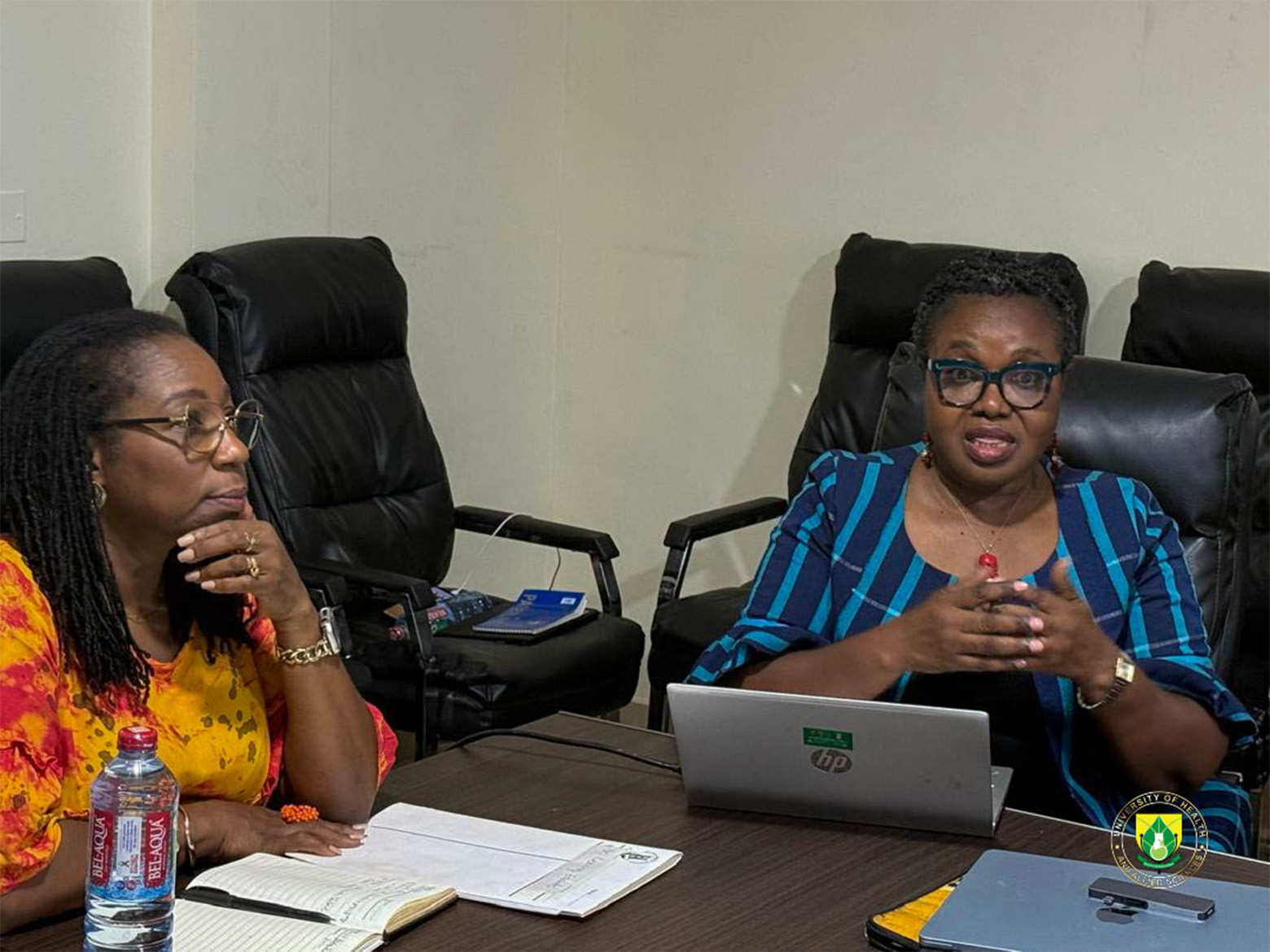
Presentations highlighted ongoing activities in Ghana, particularly in the Asuogyaman District, chosen for its high endemicity of urinary schistosomiasis. Progress reported included community engagement, ethical approvals, baseline assessments and preparations for diagnostic and clinical trial phases.
Discussions emphasized the importance of: Closer collaboration with the GHS Research Division; Integrating FGS screening into cervical cancer services; and Developing clear treatment protocols while research is ongoing.
The GHS Management expressed strong interest and affirmed institutional support, noting the project’s alignment with national priorities on women’s health and neglected tropical diseases.
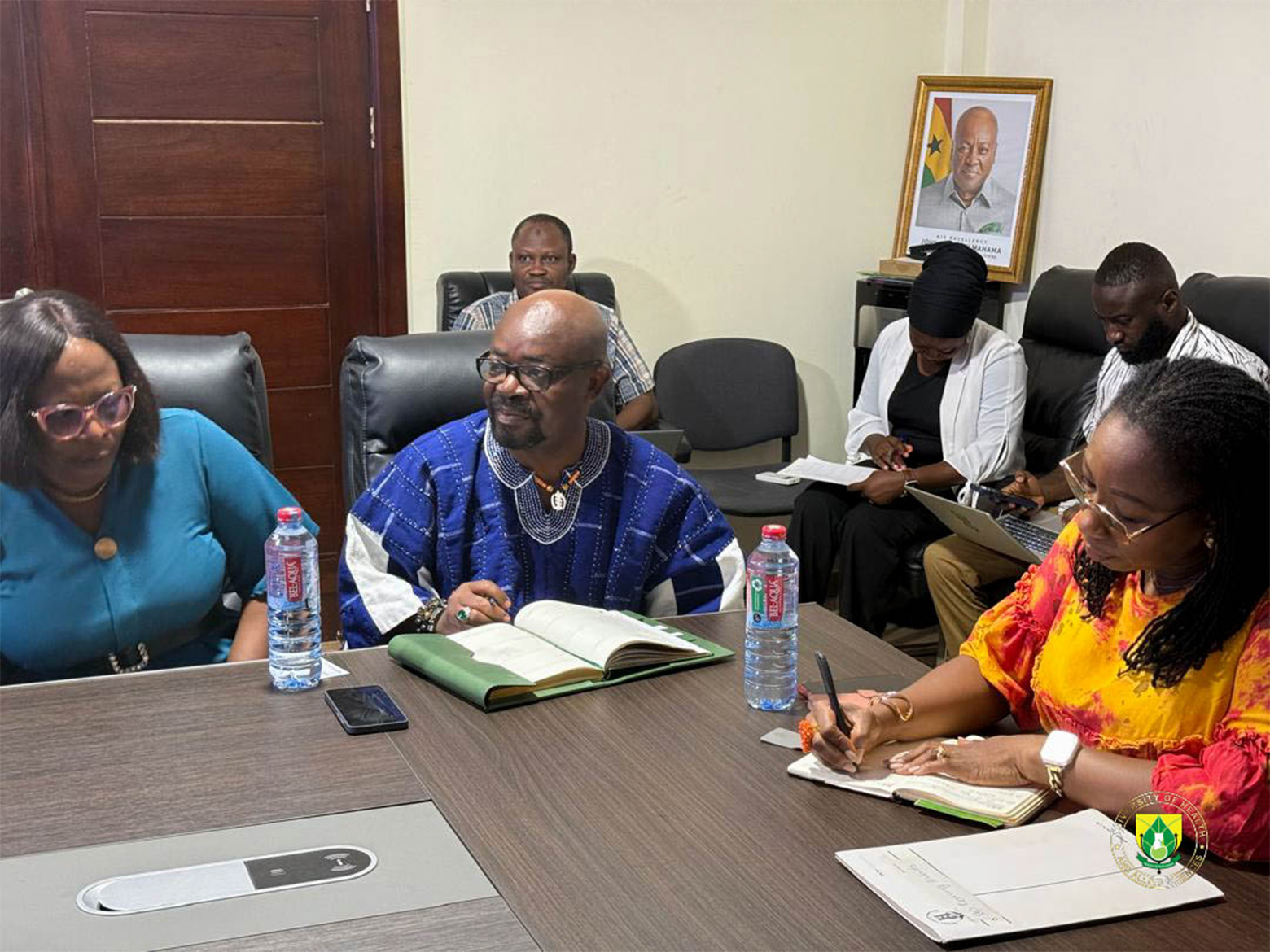
The meeting concluded with commitments to sustained collaboration, regular updates, and opportunities for the project team to present findings at national review and professional forums.
The WINGS-4-FGS project is expected to generate critical evidence to improve awareness, diagnosis, treatment and policy action on FGS in Ghana and beyond.
The UHAS team was led by Prof. Mrs. Margaret Gyapong with other members, namely Prof. Mrs. Evelyn Korkor Ansah, Prof. Seth Owusu-Agyei, Prof. Wisdom Klutse Azanu, Prof. Adu Appiah Kubi, Dr. Mustapha Immurana, Baffour Gyem Darkwa and Frank Oppong Kwafo.

Dr. Caroline Reindorf Amissah led the GHS team with other members namely Prof. Abraham Oduro, Dr. Kennedy Brightson, Dr. Jason Addai Kwame, Dr. Kwame Amponsa-Achiano, Dr. Ama Boadi, Dr. Emmanuel K.B. Antwi, Rebecca Bantey, Amadu Aziz and Hikmat Abdul-Rahman.