June 22, 2026
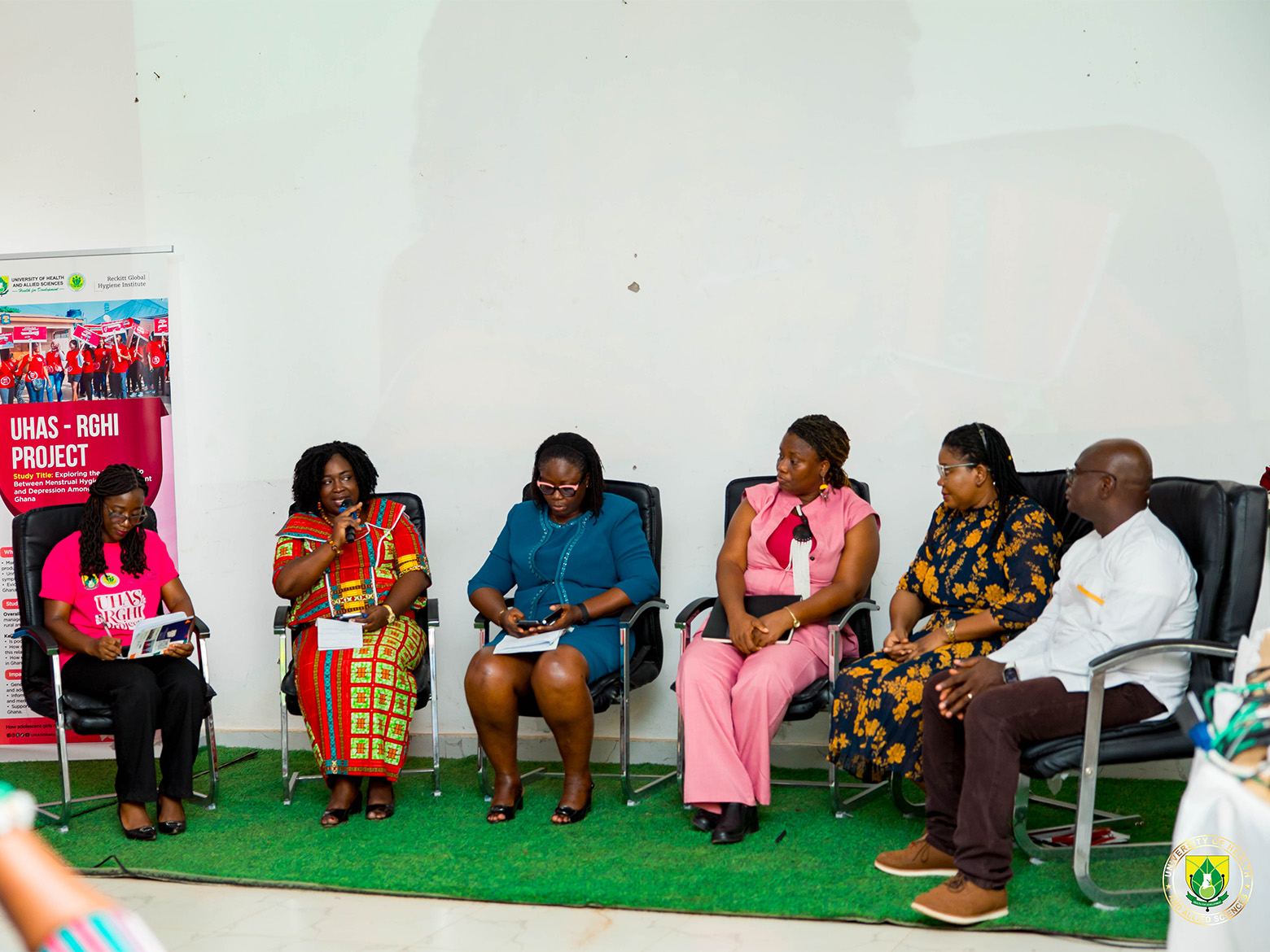
The University of Health and Allied Sciences (UHAS), in partnership with the Rickett Global Hygiene Institute (RGHI), convened a high-profile dissemination forum on Wednesday, June 17, 2026, at its Fred N. Binka School of Public Health, Hohoe campus, under the theme “Breaking the Silence: Menstrual Hygiene Management and Adolescent Mental Health in Ghana.”
The event brought together researchers, government officials, traditional leaders, educators, health professionals and students to share findings from a three-and-a-half-year fellowship project led by Dr. Sitsofe Gbogbo. The study explored the link between menstrual health and adolescent mental well-being across five districts in the Volta Region, addressing a subject long stigmatized and under-researched in Sub-Saharan Africa.
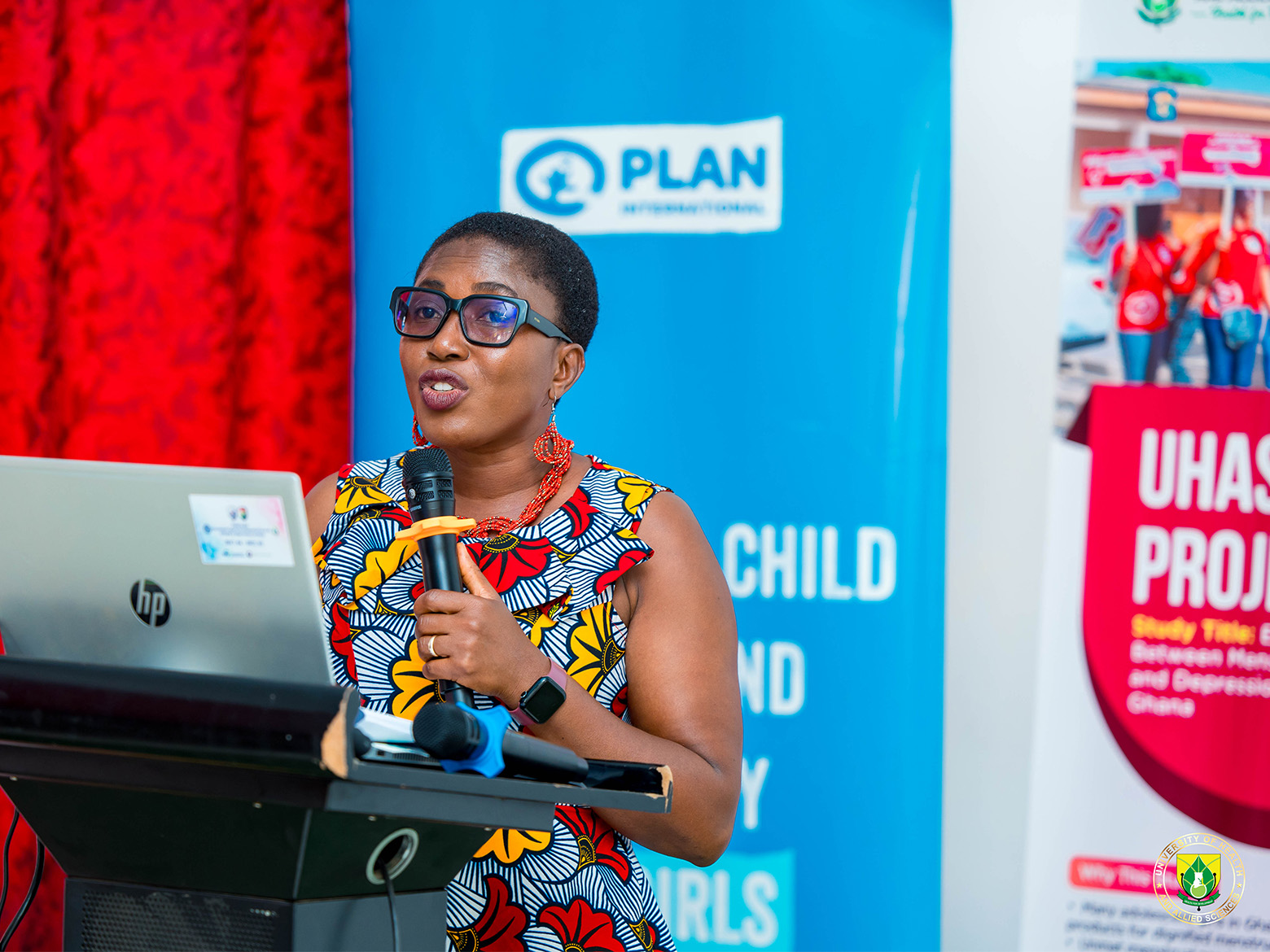
The Vice Chancellor of UHAS, Professor Lydia Aziato, highlighted the severe physical and psychological toll of menstruation, including cases of dysmenorrhoea which were so debilitating that they triggered suicidal thoughts. She urged communities to challenge cultural taboos, normalize menstruation as a natural process and provide judgment-free family planning services.
Dr. Gbogbo’s research revealed alarming statistics: 41% of surveyed girls reported mild depressive symptoms, 22% moderate depression and 23% severe anxiety. Among boys, over half demonstrated poor knowledge and negative attitudes toward menstruation. The fellowship produced six peer-reviewed publications, secured international collaboration for menstrual cup interventions and inspired further doctoral research.
The Keynote Speaker, Professor Smile Gavua Dzisi, Deputy Director General of the Ghana Education Service, stressed that silence and stigma, not biology, are the greatest barriers, linking poor menstrual health management to absenteeism, early dropout and diminished ambitions. She pledged GES’ full partnership in building a “period-friendly Ghana.”
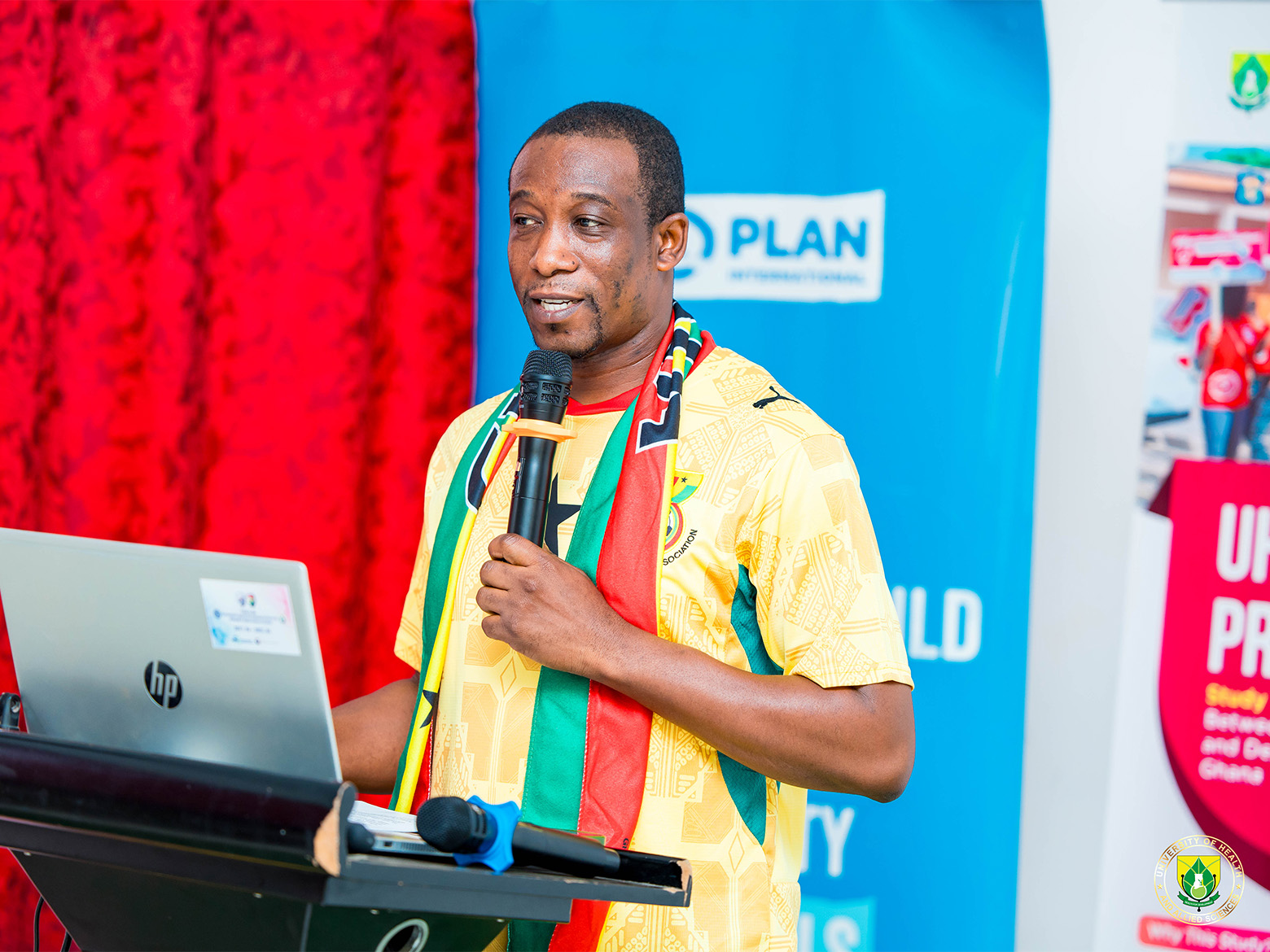
The Hohoe Municipal Chief Executive, Honourable Prosper Kumi, announced new mandates for changing rooms in schools and the distribution of 8,000 sanitary pad sets to vulnerable girls.
A five-member expert panel framed menstrual health as a human rights issue, calling for policy harmonization, affordable local sanitary products and stronger parent-child communication.
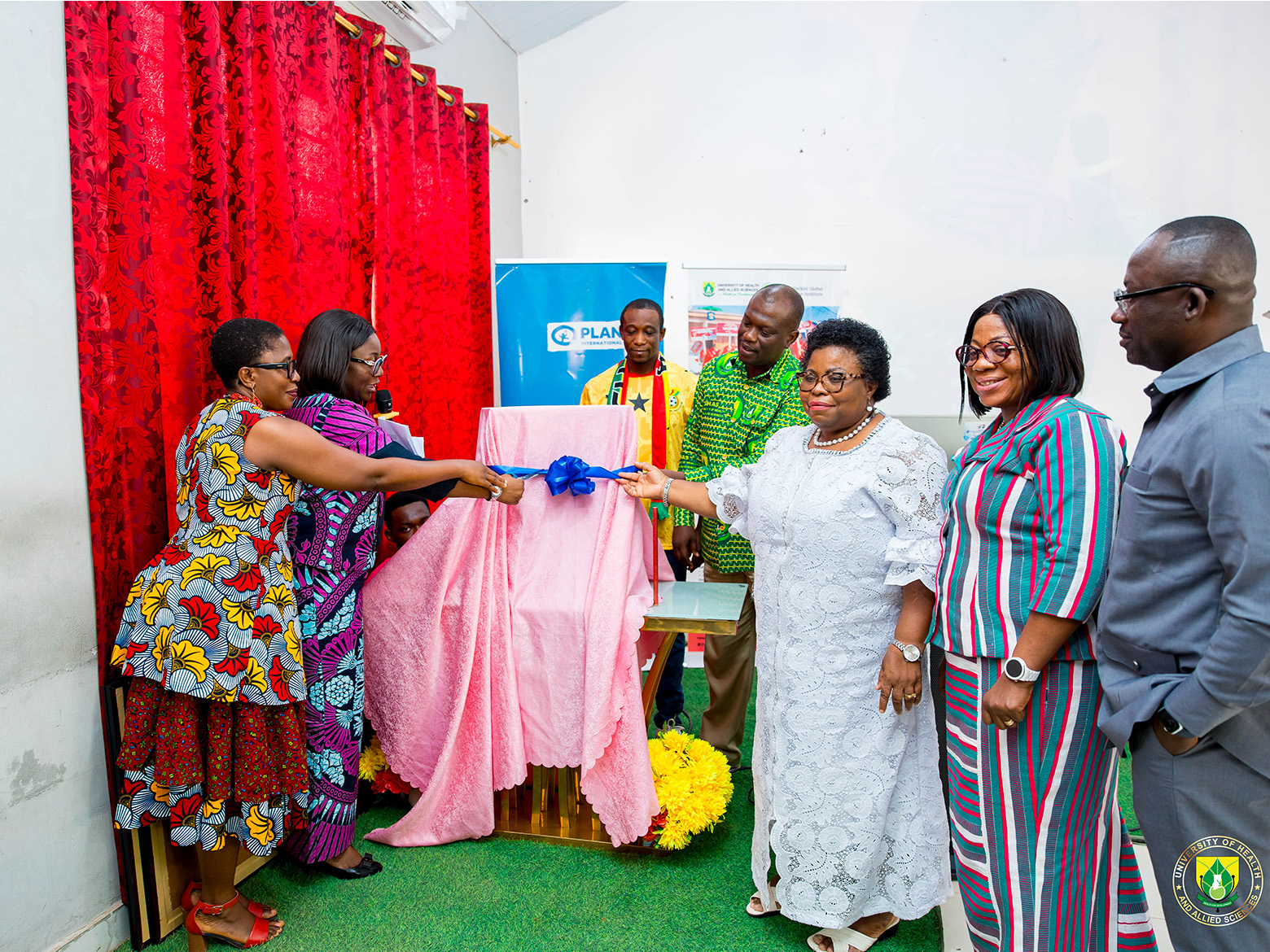
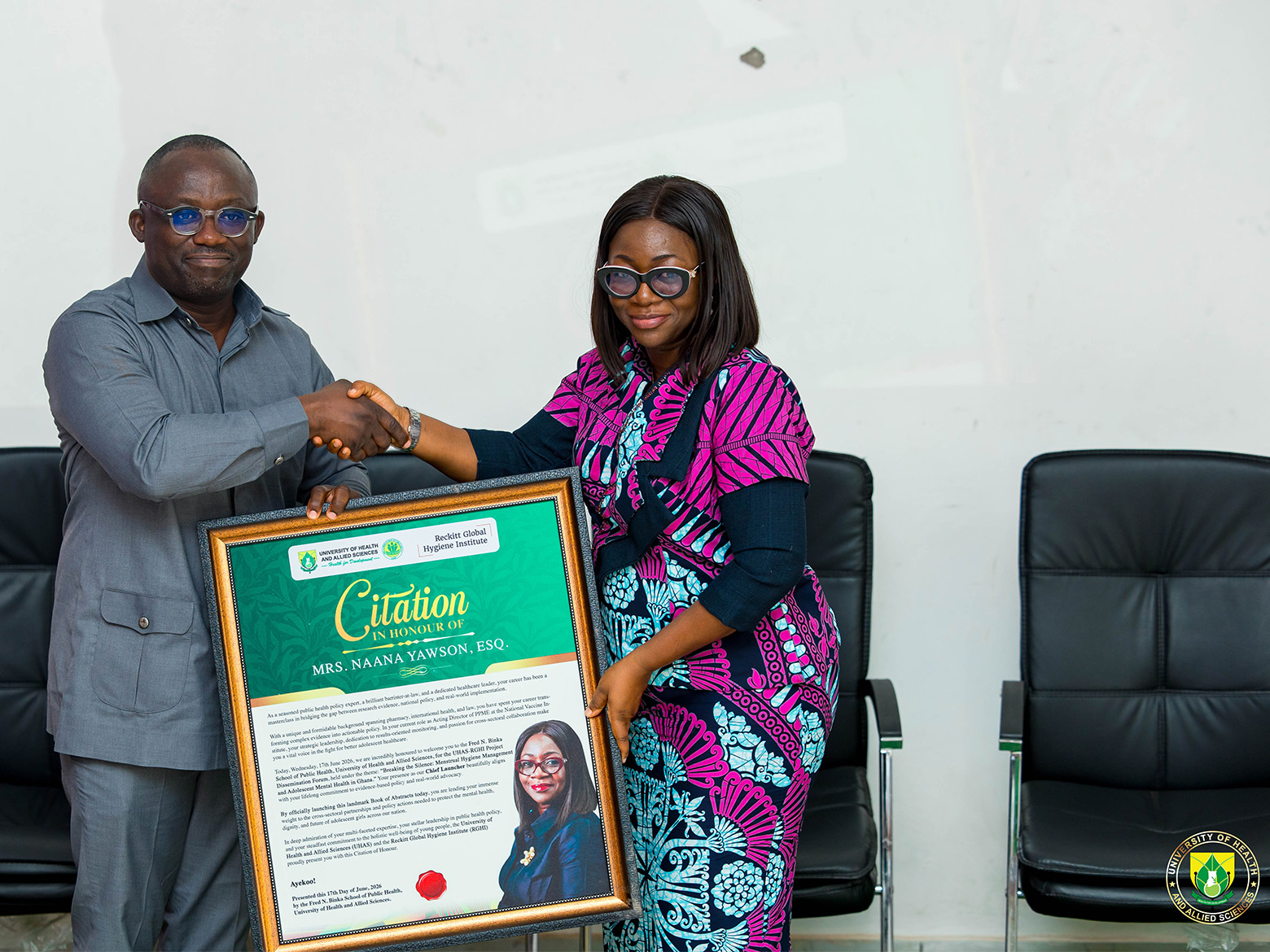
The forum also launched the RGHI Research Book of Abstracts, described by Mrs. Naana Yelson of the National Vaccines Institute as a vital evidence base for shaping health, education and gender policy.
Distinguished guests at the ceremony included senior UHAS leadership, traditional authorities, development partners and students from secondary schools and institutions for the visually and hearing impaired.