05 fév, 2026
Akpe
0 Commentaire
TAGS
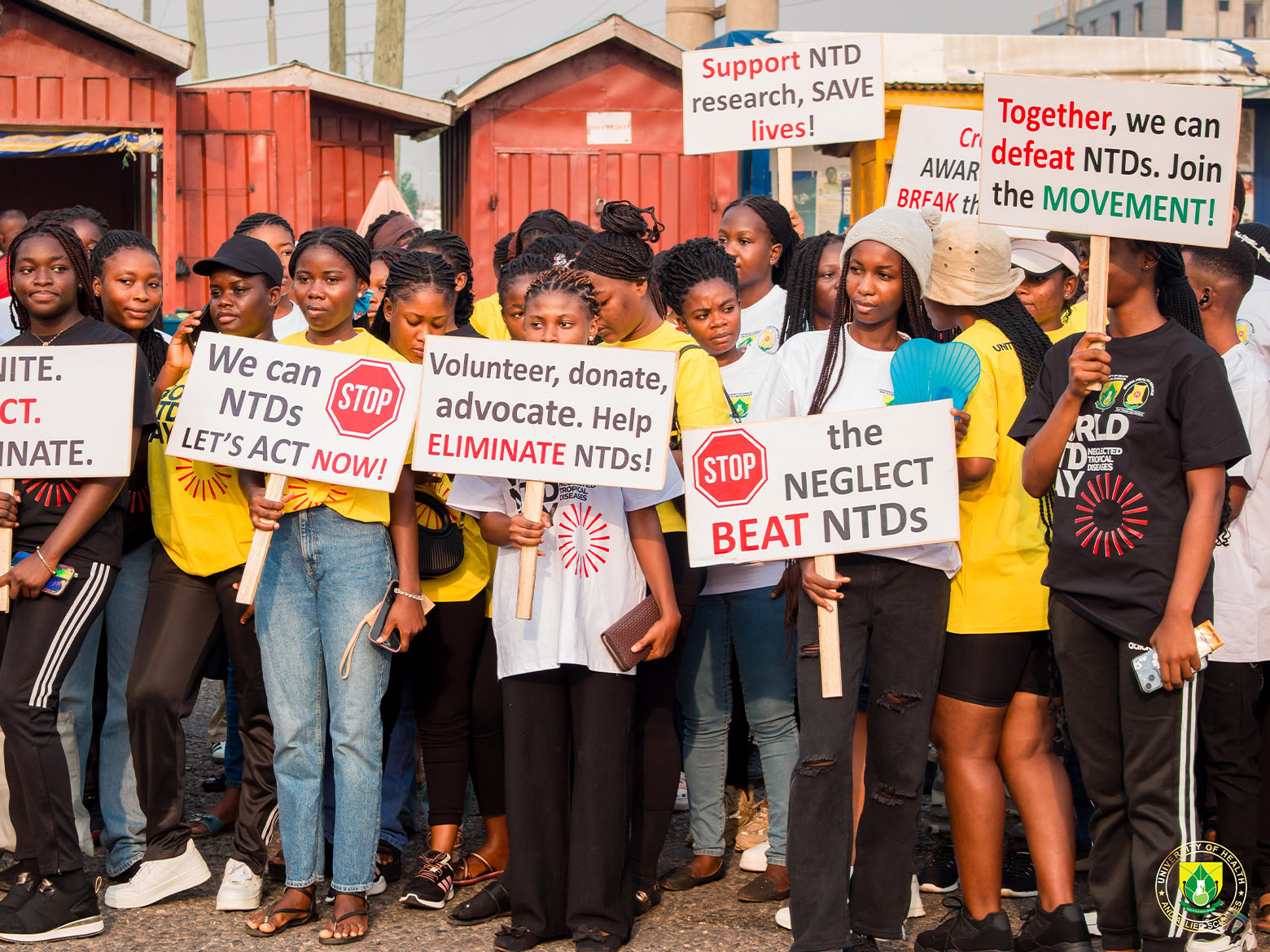
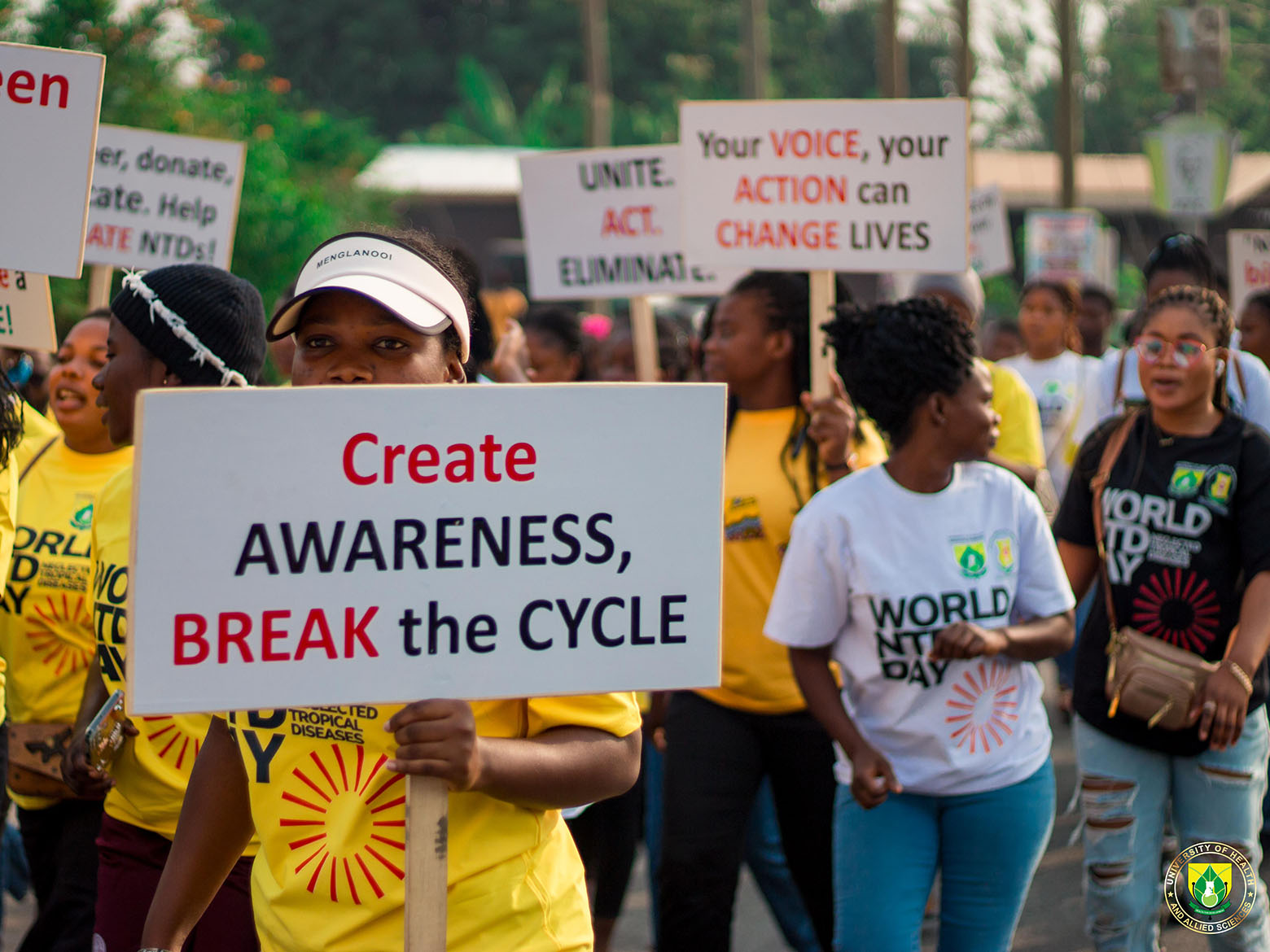
The University of Health and Allied Sciences (UHAS), through its Centre for Neglected Tropical Diseases (CNTD), on Thursday, January 29, 2026, organized a public awareness float through the principal streets of Ho to mark the 2026 World Neglected Tropical Diseases (NTD) Day.
The event formed part of national efforts to raise awareness on Neglected Tropical Diseases, a group of over twenty-one preventable and treatable conditions that affect millions of people worldwide, fourteen of which are endemic in Ghana. Diseases such as elephantiasis, trichomoniasis, leprosy and leishmaniasis continue to disproportionately affect vulnerable and marginalised communities.
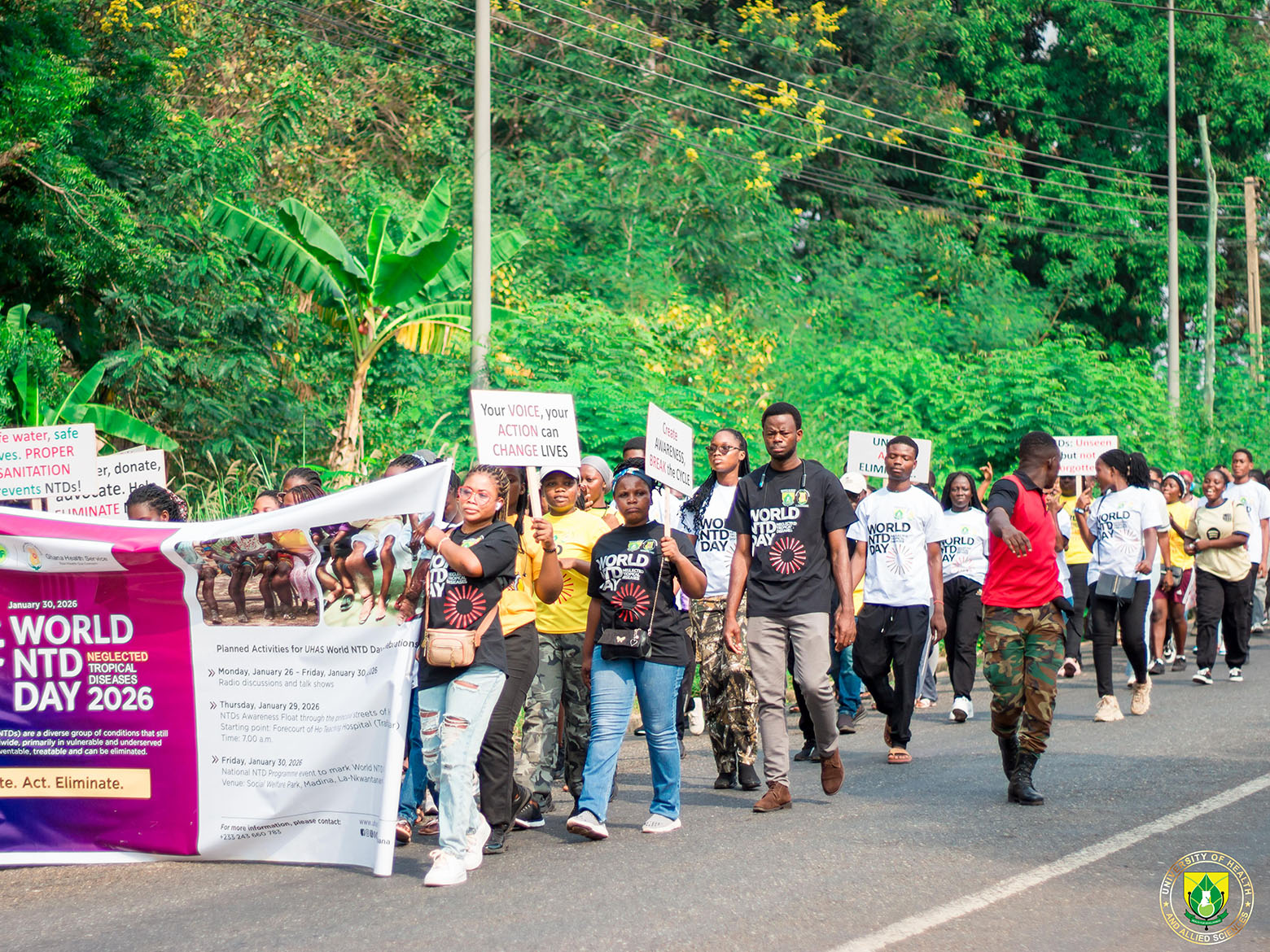
The float, which preceded the official national commemoration held on Friday, January 30, 2026, aligned with the 2026 campaign theme “Act Now to Eliminate Neglected Tropical Diseases”, calls for urgent and coordinated action by policymakers, health professionals and communities to accelerate efforts towards the elimination of NTDs.
Speaking during the float, the Director of the Center for Neglected Tropical Diseases (CNTD) at UHAS Institute of Health Research(IHR), Dr Alfred Kwesi Manyeh emphasized the importance of early education and sustained awareness, particularly among students in the health sciences. He explained that involving the future doctors, nurses and community health workers, etc. equips them with adequate essential knowledge on NTDs even before they enter professional practice, thereby helping to reduce stigma and promotes compassionate care for affected persons.
The colourful procession attracted the attention of residents across the Ho Municipality, as UHAS staff and students engaged community members, distributed informational leaflets and demonstrated basic hygiene practices that help prevent the spread of NTDs. The public education interaction reinforced the role of communities in preventing and controlling the diseases.

Dr Manyeh and other health advocates stressed that the elimination of NTDs requires collective and sustained effort, noting that students and young professionals play a critical role in sustaining long-term progress towards elimination.
The main national ceremony to mark the 2026 World NTDs Day was held on Friday, 30 January, at the Social Welfare School Park in Madina-Accra, under the theme “Unite, Act, Eliminate”. The annual commemoration seeks to raise public awareness and draw attention to the social and economic impact of NTDs, particularly on poor and marginalised populations.
Delivering the keynote address on behalf of the Minister of Health, Dr Adams Hafiz Taher affirmed the Government of Ghana’s strong commitment to eliminating NTDs. He noted that the diseases are preventable and treatable, with treatment provided free of charge. He disclosed that Ghana is among fifty-eight countries globally that have eliminated at least three NTDs. He further indicated that Ghana is currently combating 14 NTDs through interventions such as Mass Drug Administration, improved access to safe water and sanitation and strengthened community engagement, stressing that success depends on shared responsibility.
The Greater Accra Regional Director of Health Services, Dr Robert Amesiya, described NTDs as a silent but significant public health challenge that continues to affect the most vulnerable members of society. He called for sustained collaboration to improve sanitation, enhance disease surveillance and deepen community engagement to ensure lasting gains.
The National NTDs Ambassador, Rev. Dr Joyce Aryee drew attention to the stigma associated with NTDs and expressed optimism that continued progress would one day remove the word “neglected” from their name. She advocated the integration of NTD screening into primary healthcare delivery and the National Health Insurance Scheme to promote early detection and treatment. Describing community leaders as custodians of trust, she urged increased vigilance at the community level, dedicated support for Mass Drug Administration campaigns and sustained media engagement.

Development partners at the event expressed concern about a 41 per cent reduction in global funding for NTDs over the past year, compounded by recent funding suspensions, which pose a threat to sustaining progress. Despite these challenges, the partners reaffirmed their commitment to supporting Ghana’s NTDs programme and called for increased domestic financing, local ownership and continued multisectoral collaboration.
The UHAS-led float and the national engagements underscored the urgent need for collective action to eliminate NTDs and reaffirmed the University’s commitment to advancing public health through education, research and community engagement.