May 19, 2026
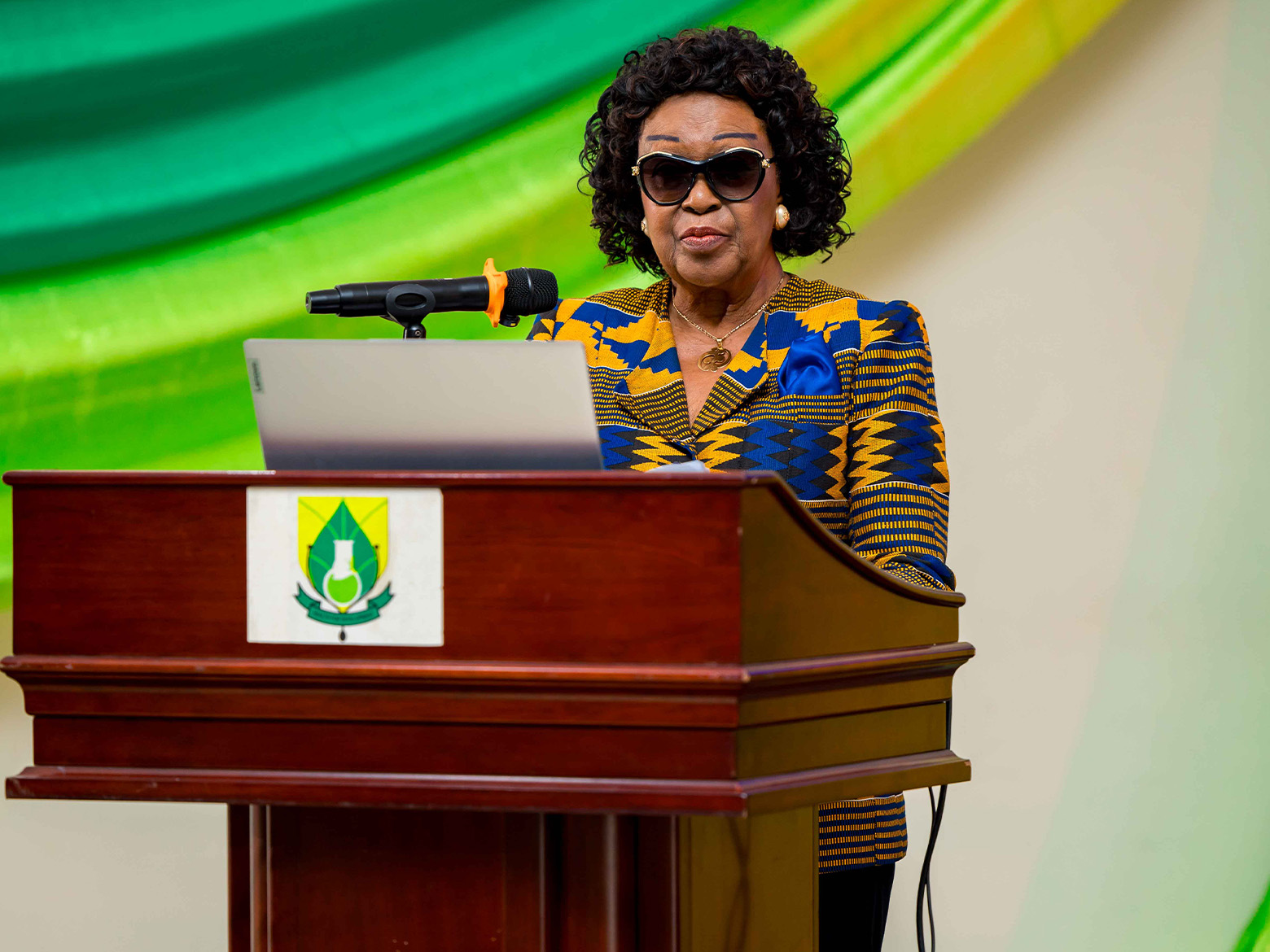
The University of Health and Allied Sciences (UHAS) marked the 10th edition of the John Evans Atta Mills (JEAM) Leadership Lecture Series, drawing together academics, health professionals, policymakers, students and development partners to deliberate on reproductive health challenges in Africa. The event, held on Thursday, May 14, 2026 at the Cedi Auditorium on the university’s main campus at Sokode-Lokoe, Ho, was themed “From Knowledge to Action: Bridging Africa’s Reproductive Health Gap – The Role of Health Training Institutions.”
The annual lecture series was instituted to honour the late President John Evans Atta Mills, whose administration facilitated the establishment of UHAS in 2011.
The Vice Chancellor of UHAS, Professor Lydia Aziato, Chairperson of the occasion, described the late Prof. Mills as a “credible academic, statesman and visionary leader” whose contributions to education and healthcare remain significant. She urged young people to prioritize education, exercise self-discipline and make responsible reproductive health decisions.
The Pro-Vice Chancellor, Professor Frank Edwin, emphasized the lecture’s role as a platform for reflection on leadership and national development. He noted that reproductive health remains one of Africa’s most pressing concerns, stressing the responsibility of health training institutions to translate knowledge into practical interventions that improve lives.
The Lecturer for the occasion was Her Excellency Dr. Eunice Brookman-Amissah, a former Ambassador of Ghana to the Kingdom of the Netherlands, a Member of Ghana’s Council of State and renowned reproductive health advocate. She delivered a powerful presentation highlighting maternal mortality, unsafe abortions, teenage pregnancies and inadequate healthcare systems across Africa.
She cited alarming statistics, noting that Africa accounts for approximately 6.2 million unsafe abortions annually, contributing significantly to maternal deaths. In Ghana alone, over 110,000 teenage pregnancies were recorded within a year.
Dr. Brookman-Amissah underscored the importance of comprehensive sexuality education (CSE), stronger healthcare systems and better awareness of Ghana’s abortion laws, which permit the procedure under specific conditions such as rape, incest or threats to the mother’s health.
Referencing frameworks like the International Conference on Population and Development (ICPD), the Sustainable Development Goals (SDGs), the African Union’s Maputo Protocol and Campaign for the Accelerated Reduction of Maternal Mortality in Africa (CARMMA), she lamented weak implementation across the continent. She called reproductive health a human rights issue and urged governments, educational institutions, religious bodies and civil society to collaborate in improving access to services.
The lecture also touched on sensitive but vital topics such as LGBTQI+ discussions and the need for informed dialogue.
The event concluded with a renewed call for intensified advocacy, policy implementation and public education to improve reproductive healthcare outcomes across Africa.